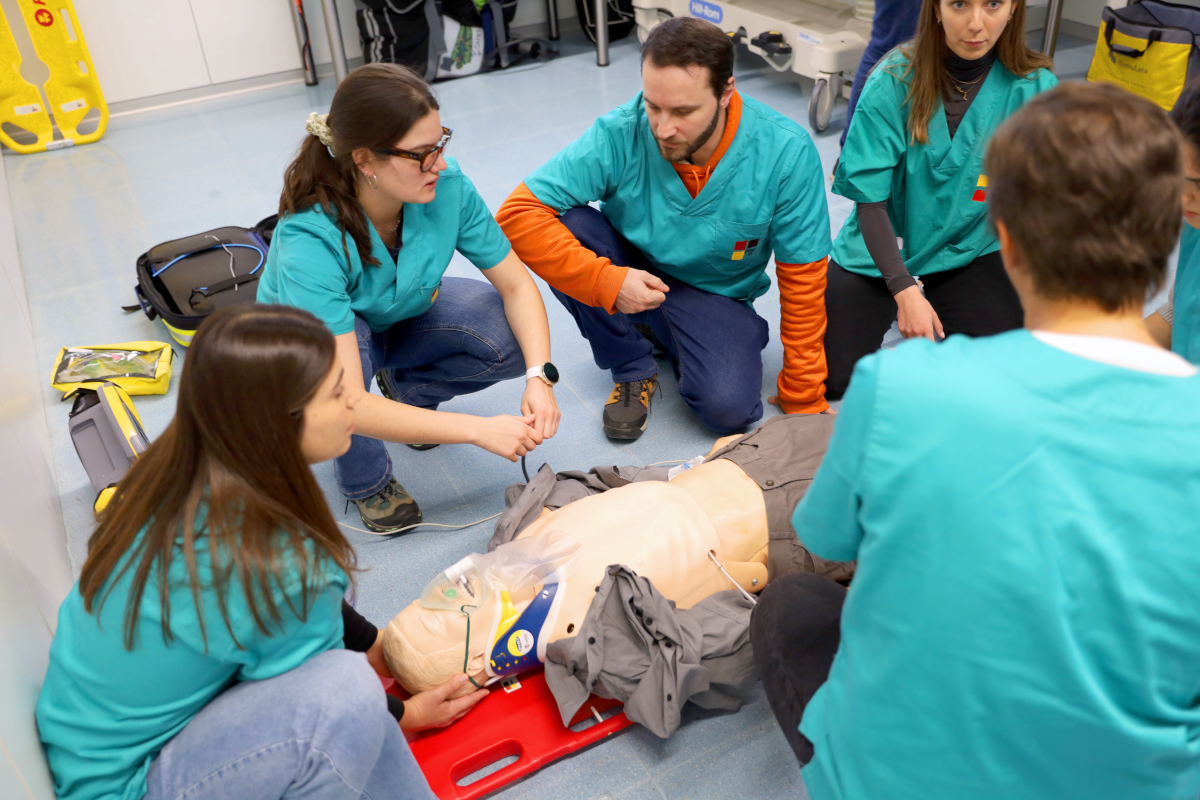
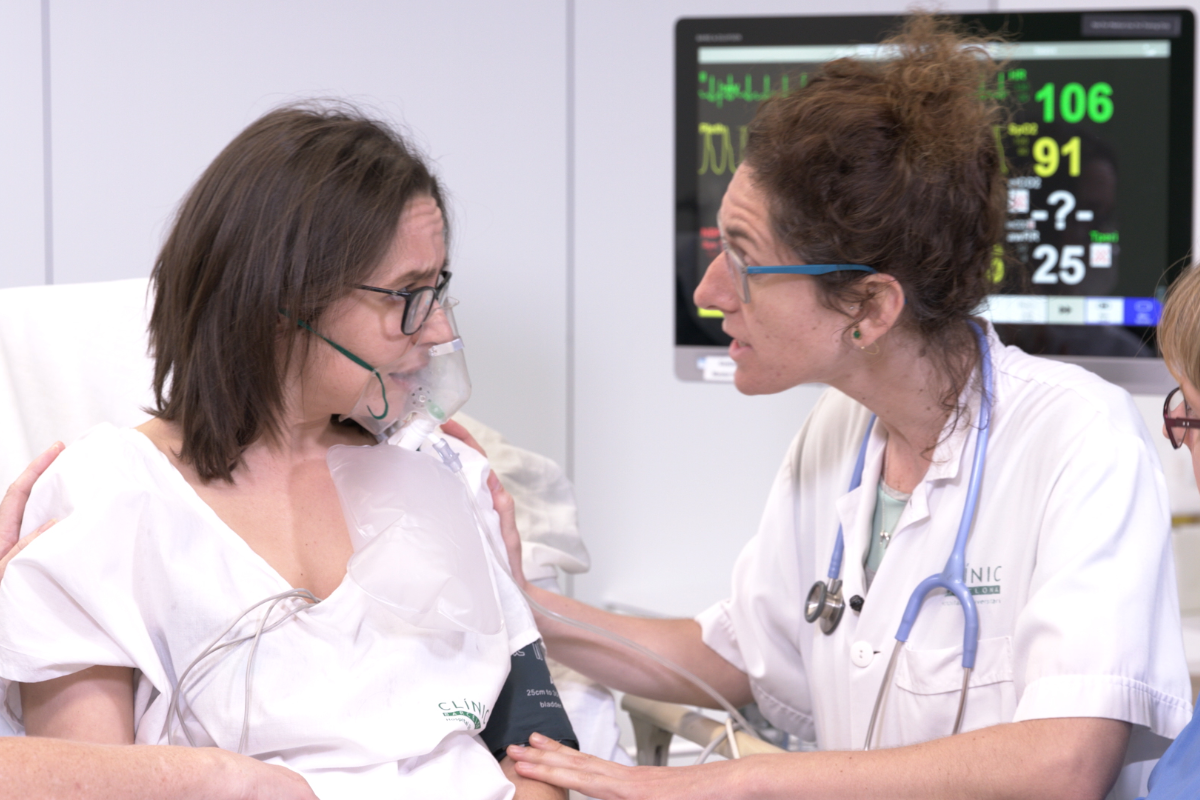
This postgraduate course trains professionals in patient care in prehospital emergency situations, emergency departments, and intensive care units.
English
Virtual
September
October - June
2.700 €
Academic Program
Access Requirements
The admission requirements for the postgraduate course are as follows:
Access Qualification: graduates, diploma holders, and/or degree holders in Medicine or Nursing. Individuals with a foreign university degree that has legal attribution for healthcare in their country.
Experience: no prior work experience is required for admission.
The Fundamentals of Critical Illness and Emergencies postgraduate course is recognized as equivalent to Module 1 of the Master's Degree in Critical Illness and Emergencies if the student later wishes to continue studying the Master's degree.
Objectives and Competencies
The postgraduate course aims to consolidate the theoretical foundations, as well as to learn advanced knowledge in the care of the acutely ill patient, in the prehospital setting, emergency departments, and their definitive treatment in the intensive care unit.
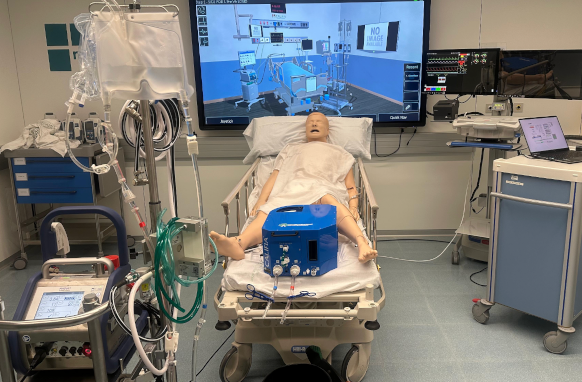
It addresses the use of monitoring and organ support devices, the pathophysiological aspects of critical illness, and the clinical and therapeutic approach to the patient.
The essential competencies of this Module are:
Identify, interpret, synthesize, and prioritize clinical problems of critically ill patients based on complex data and observations.
Understand the pathophysiological aspects and apply different diagnostic and therapeutic techniques in the disease and its complications.
Address the structures and interrelationships of the healthcare system that cares for the critically ill patient and emergencies, understanding models of relationship and cooperation.
Apply and transfer critical and analytical thinking in approaching the scientific evidence of pathologies in the acutely ill patient.
Methodology and Teaching Resources
The following methodology and teaching resources are used for the postgraduate course:
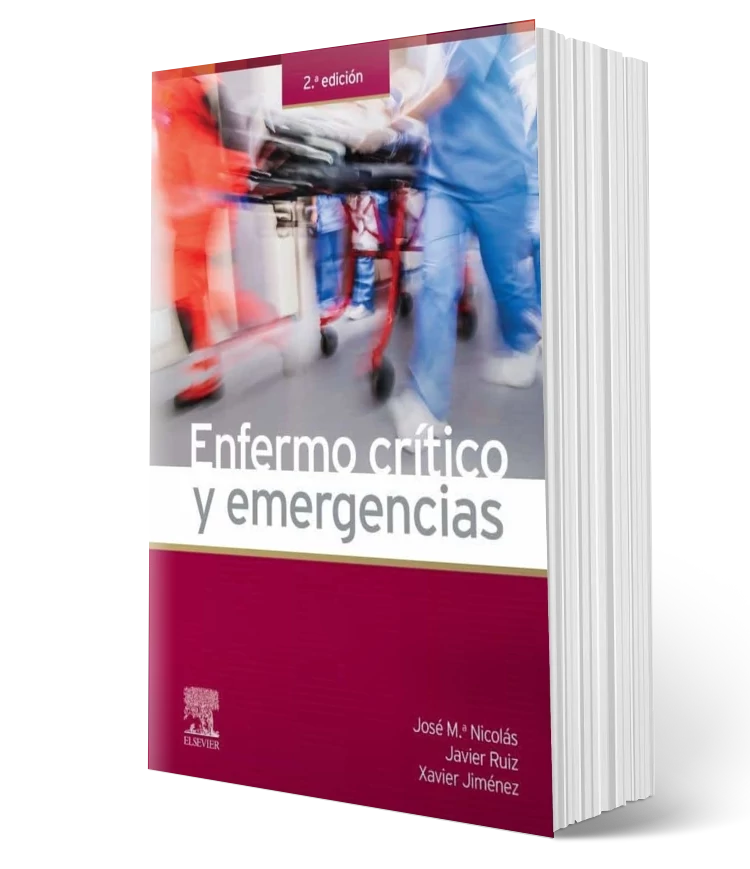
Book Critically Ill Patient and Emergencies: Book 'Critically Ill Patient and Emergencies' edited and published by Elsevier (2nd Ed.), written by the Master's teachers. A copy will be provided to each enrolled student.
Theoretical content capsules: The Virtual Campus (Moodle) is an educational tool dedicated to managing teaching content, and it is the means of communication with the teacher and among students. On the Virtual Campus, you will find short-duration (20-30 min) audiovisual capsules of theoretical content offered on-demand online, organized by Thematic Areas and Blocks and levels of complexity (1 - basic, 2 - intermediate, 3 - advanced). The theoretical content follows the care continuum of the critically ill patient. Likewise, other consultation materials and bibliographic references of interest will be hosted on the Virtual Campus.
Agoras: At the end of each Thematic Area, a synchronous meeting called 'Agora' will be held. It is a training activity in which, through an interactive and dynamic analysis of real clinical cases, doubts of a basic and advanced theoretical nature that the student has previously worked on autonomously are resolved. These sessions will be broadcast virtually through the Zoom platform (they will not be recorded).
Self-assessments: On the Virtual Campus, for each topic, knowledge self-assessments are available.
Teaching content
Details of the thematic blocks of the theoretical knowledge taught:
Initial assessment and stabilization of the critically ill patient
Airway and difficult airway management
Sedation and analgesia
Respiratory pathology in the critically ill patient
Mechanical ventilation
Cardiology and cardiovascular pathology
Cardiorespiratory support
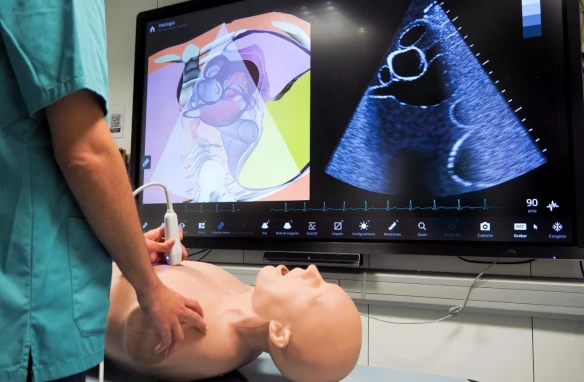
Ultrasound applied to the critically ill patient
Digestive diseases in the critically ill patient
Bioartificial liver support
Endocrine-metabolic disorders
Nutrition in the critically ill patient
Critically ill nephrology patient
Infections and sepsis in the critically ill patient
Multiple organ dysfunction syndrome
Critically ill patient with COVID-19
Critically ill hematology-oncology patient
Hemostasis and hemotherapy
Poisoning and overdose
Critically ill neurological patient
Organ and tissue donation process
Ultrasound applied to emergency situations
Life support and resuscitation science
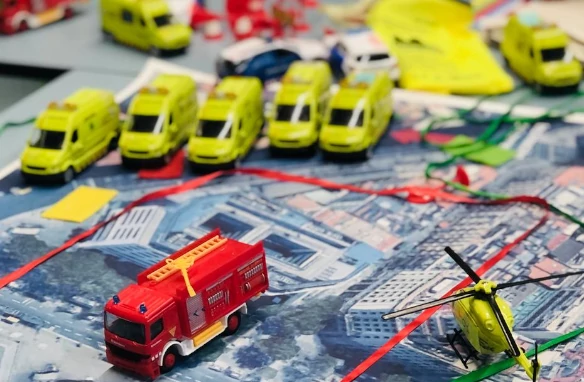
Activation and deployment of emergency services
Critically ill trauma patient and prehospital care
Multiple victim incidents
Emergencies in rescue environments
Emergencies in armed conflict and CBRN
Emergencies due to external physical agents
Emergencies in hostile and remote environments
Severe obstetric pathology
Critically ill pediatric patient
Follow-up, assistance, and passing criteria
Details of the sections for completing the postgraduate course:
Content Viewing: At least 80% of the theoretical content offered must be viewed.
Online Knowledge Assessment: After each thematic area, an individual online test with multiple-choice questions will be held.
Attendance at Agoras: Attendance (online) at 80% of the sessions is required.
Theoretical Fundamentals Exam: A multiple-choice test must be passed in each semester.