Logo de los postgrados en Enfermo Crítico y Emergencias
Icono de hamburguesa para abrir el menú

Fundamentals in
Critical Hepatology

This postgraduate course provides the competencies for the diagnostic and therapeutic management of critically ill liver patients, as well as other processes affecting patients with digestive diseases, including liver transplantation.

Imagen Universidad de Barcelona
Vídeo de Youtube de los postgrados en Enfermo Crítico y Emergencias
Icono Creditos
English
Icono Modalidad
Presencial
Icono Calendario
September - June
Icono Importe
2.800 €

Academic Program

Access Requirements
The admission requirements for the postgraduate course are as follows:
  • Access Qualification: Graduates and/or degree holders in Medicine. Specialists in Intensive Care Medicine, Digestive Diseases, Internal Medicine, or Anesthesiology and Resuscitation.
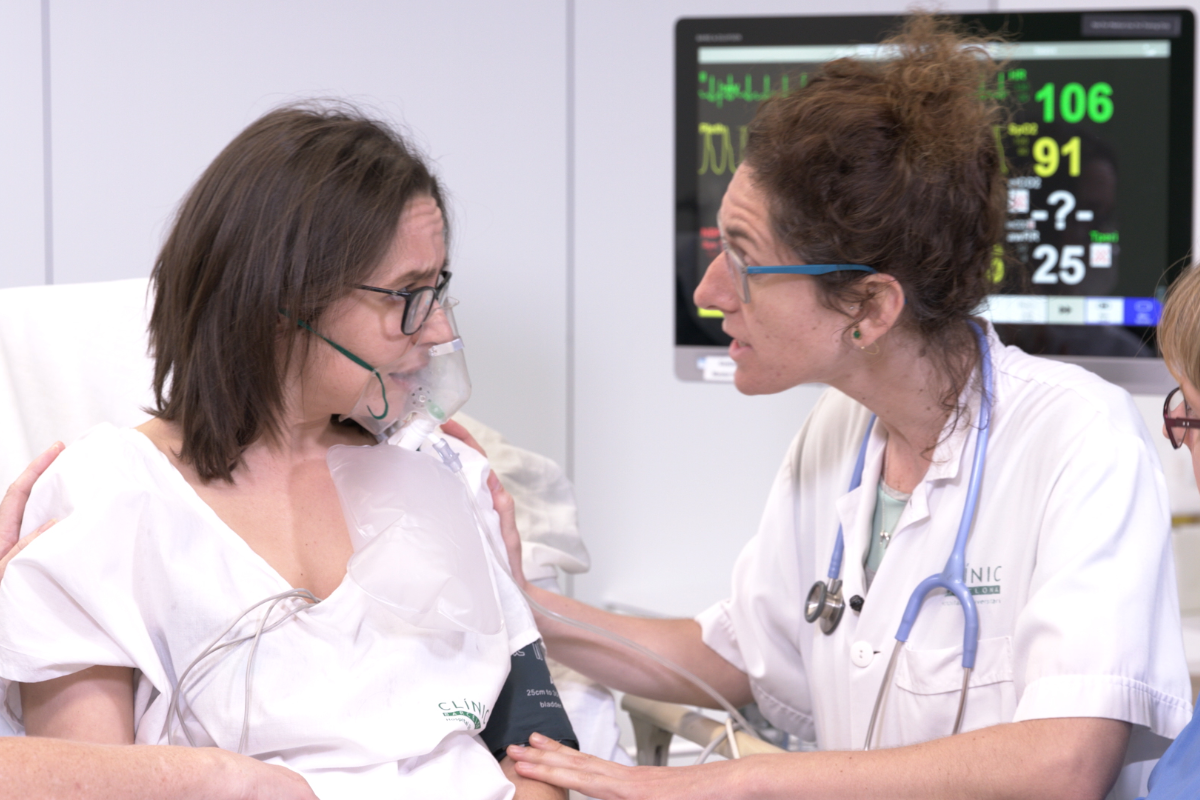
  • Experience: no prior work experience in critical hepatology is required for admission.
Objectives and Competencies
In recent years, hepatology has undergone significant development, encompassing the specific management of various pathologies such as acute-on-chronic liver failure, acute liver failure, and gastrointestinal bleeding from esophageal varices. The evolution of intensive care, driven by the advanced use of technology and emerging scientific evidence, has underscored the need for specialized training to manage these pathologies, especially in Critical or Semi-Critical Care Units.
The course thoroughly addresses all aspects related to the pathophysiology, clinical manifestations, monitoring, therapeutic interventions, and follow-up in the various pathologies that can affect a critically ill liver patient.
Methodology and Teaching Resources
  • Theoretical lessons: acquire knowledge of critical patient care from experts in on-site and online format.
  • Virtual campus: interact with content, teachers, and additional resources on the virtual campus platform.
  • Practical lessons: 3-month clinical rotation during the academic year in the hepatic ICU. During this period, participants will be an active part of the rounds visiting hospitalized patients. They will participate in discussions and diagnostic and therapeutic decisions for all patients admitted to the unit, gaining direct practical experience in managing critical cases.
  • Clinical practices: Attendance at regular scientific sessions of the Hepatology service (once a week) and the ICU (every 15 days). Participation in the teaching sessions of the Critical Patient Working Group. Performance of various techniques by the applicant, always with the support and supervision of the unit's medical staff.
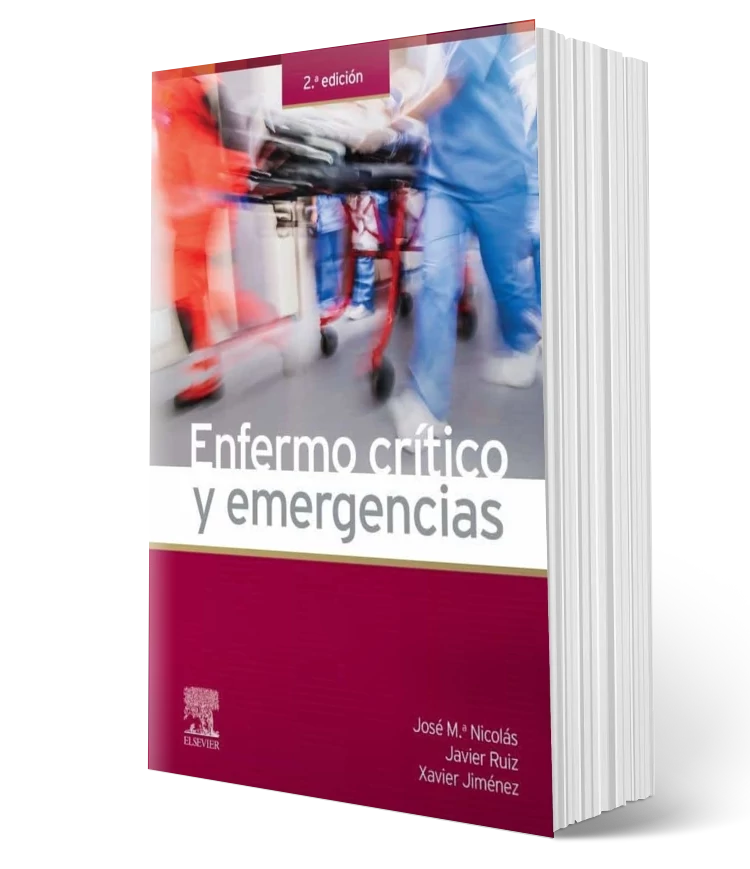
  • Book Critically Ill Patient and Emergencies: The book 'Critically Ill Patient and Emergencies' (2nd ed. Elsevier) is the didactic resource written by the Postgraduate course teachers. A copy will be provided to each enrolled student.
Teaching content
  1. Management of severe acute liver failure.
  2. Comprehensive approach and advanced treatments for patients with severe acute liver failure.
  3. Management of cirrhosis complications:
    1. – Gastrointestinal bleeding from varices: Control techniques and variceal bleeding management.
    2. – Hepatorenal syndrome: Diagnosis and therapeutic management.
    3. – Refractory ascites: Strategies for managing ascites that does not respond to conventional treatments.
    4. – Hepatic encephalopathy: Diagnosis and management of encephalopathy in patients with cirrhosis.
    5. – Bacterial infections in cirrhosis and septic shock: Approach and management of infections and sepsis in cirrhotic patients.
  4. Management of acute-on-chronic liver failure (ACLF)
  5. Approaches and treatments for managing acute liver failure on chronic liver disease.
    1. - Liver transplantation management.
    2. – Immediate postoperative period: Intensive care and monitoring in the early postoperative phases.
    3. – Immunosuppression in transplantation: Strategies and management of immunosuppressive therapy.
    4. – Infections in transplantation: Prophylaxis and treatment of infections in transplanted patients.
    5. – Coagulation in the immediate postoperative period: Management of coagulation in the early post-transplant phases.
    6. – Vascular complications: Diagnosis and treatment of post-transplant vascular complications.
  6. Non-invasive and invasive hemodynamic monitoring.
  7. Non-invasive and invasive mechanical ventilation.

  8. Liver support systems.
  9. Renal support techniques.
  10. Management of gastrointestinal bleeding not due to portal hypertension:
  11. Self-expanding esophageal metal stents
Follow-up, assistance, and passing criteria
Follow-up and evaluation systems:
  • Through the evaluation of theoretical concepts using a multiple-choice test.
  • Evaluation of practical aspects through a clinical case.
  • Through attendance at the program's theoretical classes, practical sessions, and scientific sessions.
libro

Coordination

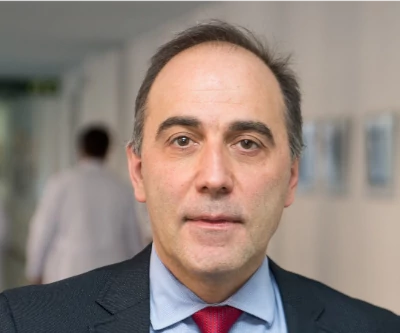
Dr. Javier Fernández Specialist in Digestive Diseases. Hepatologist, Head of the Hepatic ICU at Hospital Clinic. Doctor of Medicine. Associate Professor, University of Barcelona
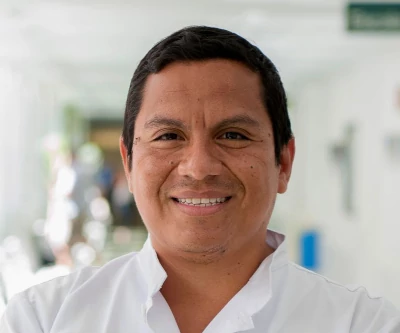
Photograph of Dr. David Toapanta
Dr. David Toapanta-Gaibor Specialist in Intensive Care Medicine. Physician in the Hepatic ICU at Hospital Clínic. Associate Professor, University of Barcelona

4th Edition 2026/2027

Do you need more information?  mce@ub.edu

Images Fundamentals in Critical Hepatology

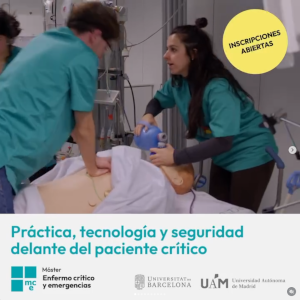
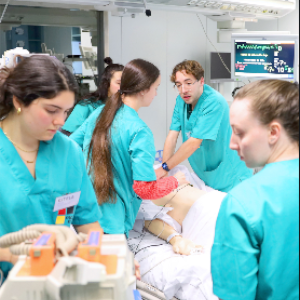
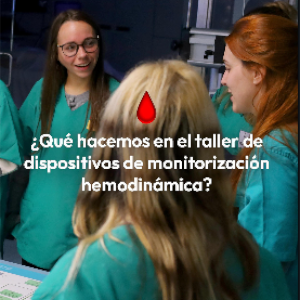
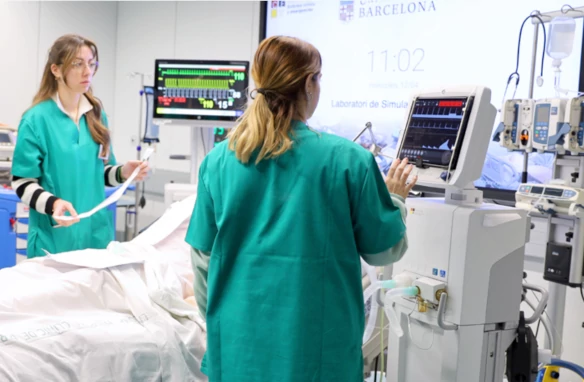
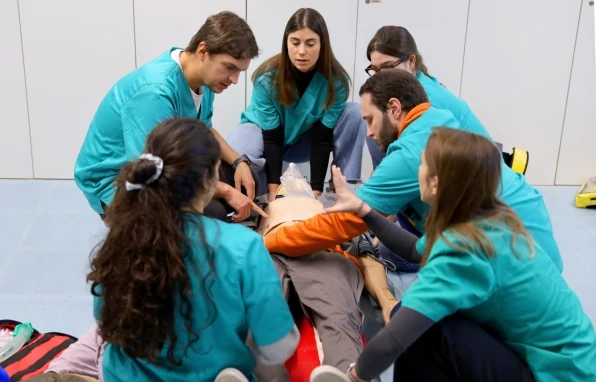
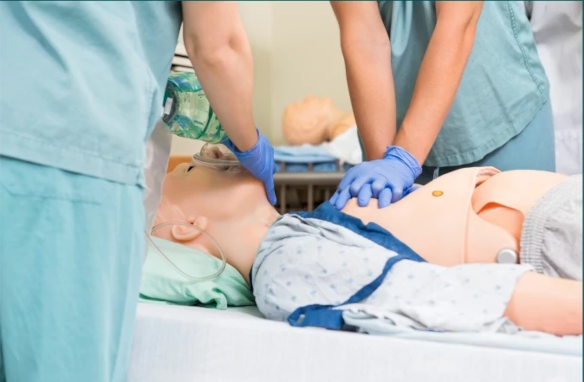
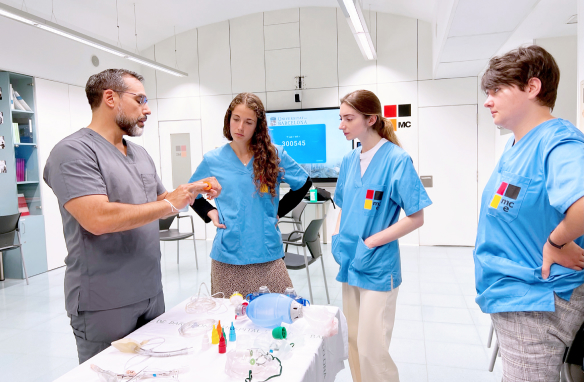
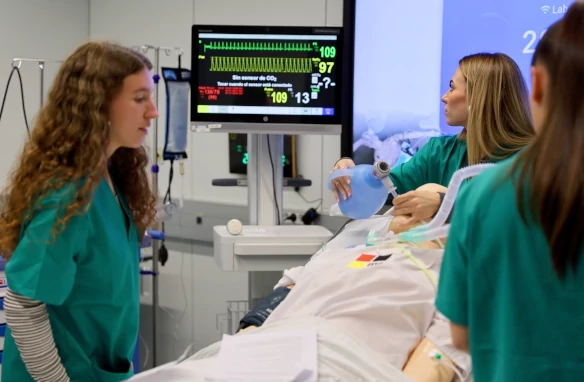
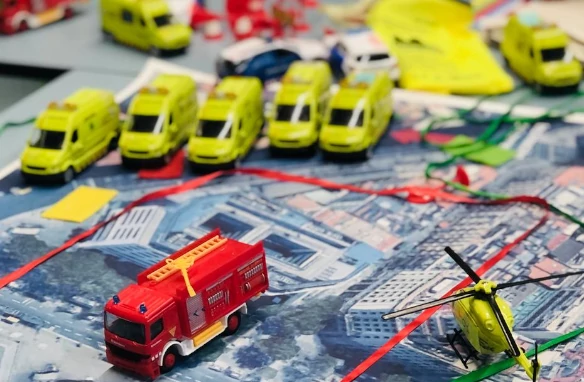
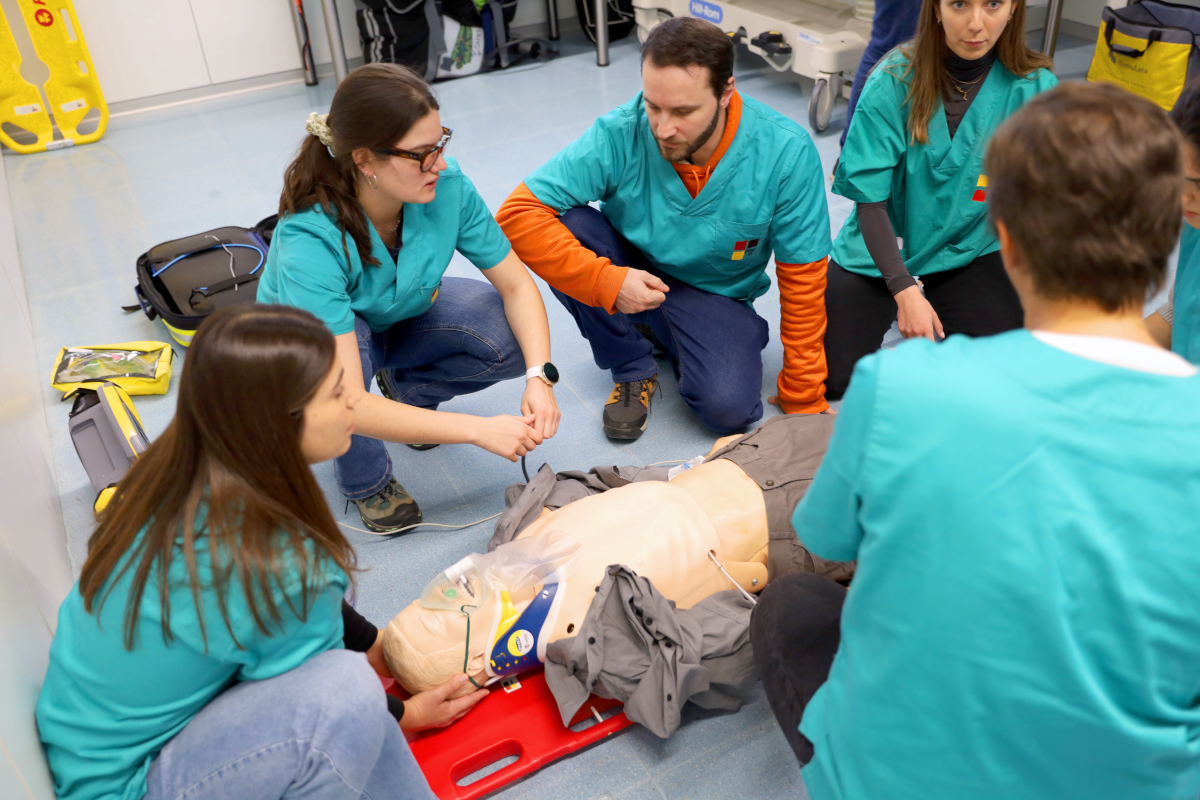
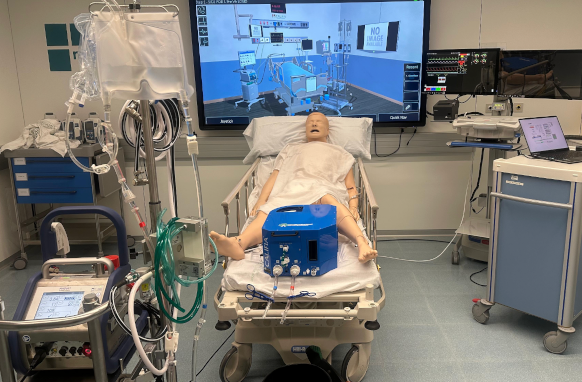
Imagen de las instalaciones de los laboratorios del Máster Enfermo Crítico y Emergencias.
Imagen de un desfibrilador en los laboratorios del Máster Enfermo Crítico y Emergencias.
Indicador 1
Indicador 2
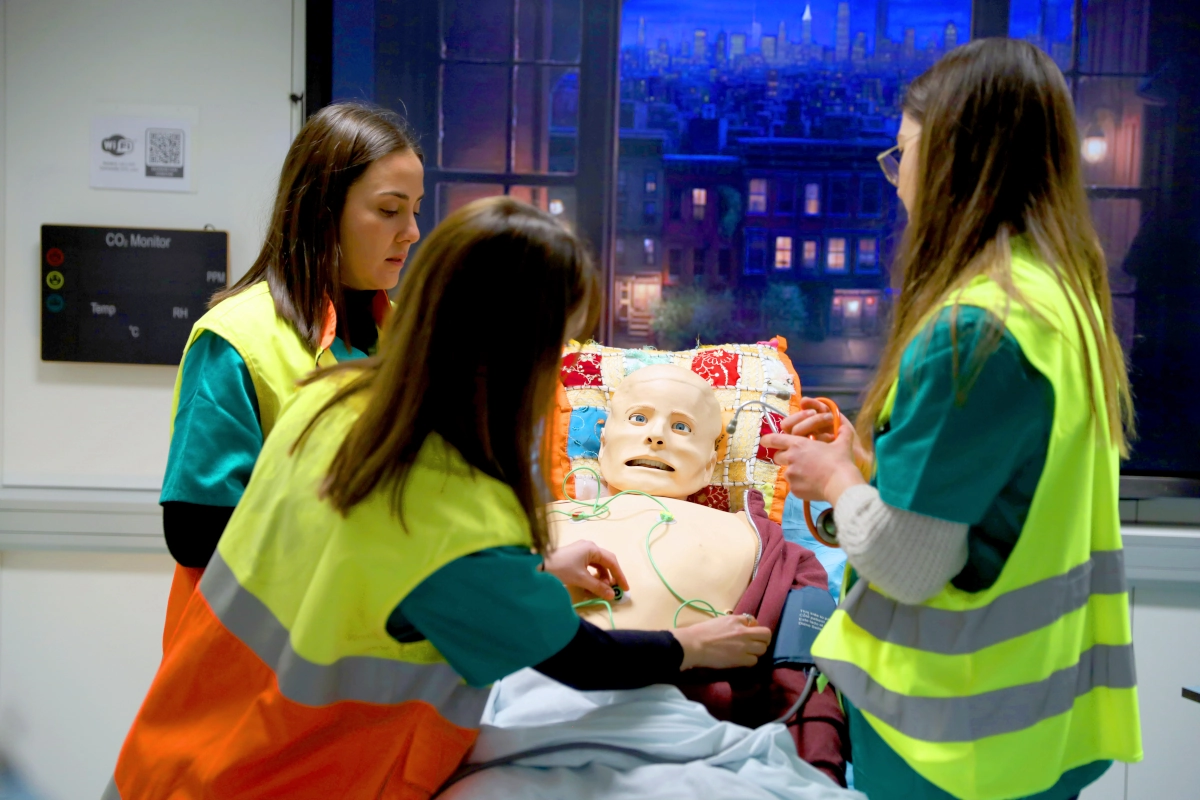
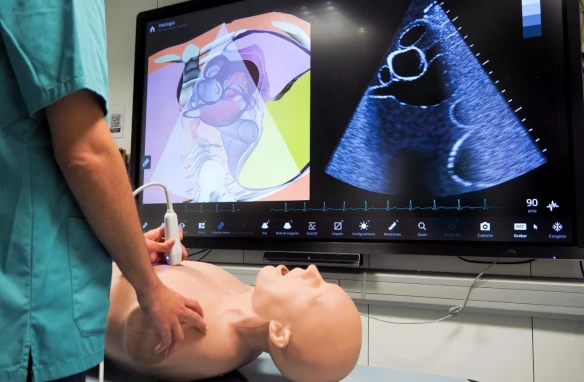
Imagen de una persona en los laboratorios del Máster Enfermo Crítico y Emergencias.
Imagen de los alumnos del Máster Enfermo Crítico y Emergencias trabajando con Realidad Virtual.
Indicador 5
Indicador 5

More Training Offer

Follow us on Instagram